Rug cleaning guide for Belsize Park Gardens homes NW3
Posted on 10/08/2026
Rug Cleaning Guide for Belsize Park Gardens Homes NW3
If you live in Belsize Park Gardens, you already know a rug does more than sit quietly on the floor. It softens a room, calms a hard wooden hallway, and quietly takes the brunt of daily life: muddy shoes, tea spills, pet paws, and the odd bit of London dust that seems to arrive whether you invited it or not. This rug cleaning guide for Belsize Park Gardens homes NW3 is here to help you care for your rugs properly, avoid common damage, and decide when a careful DIY clean is enough and when a professional deep clean makes more sense. Truth be told, a lot of rug problems start small.
Below, you'll find a clear, practical approach to rug maintenance for real homes, not showroom-perfect fantasy. Whether your rug is wool, synthetic, silk-blend, or something that has become more sentimental than sensible, this guide will walk you through what matters most, what to avoid, and how to keep your rug looking and feeling right in a busy North West London home.
Why rug cleaning guide for Belsize Park Gardens homes NW3 Matters
Rugs in Belsize Park Gardens homes often do a lot of quiet heavy lifting. In a townhouse hallway, a runner may catch grit every day. In a period flat, a wool rug might anchor a sitting room with parquet floors and high ceilings. In a family home, the rug can become the place where life actually happens: playtime, laptop time, tea time, and the occasional red-wine-that-was-supposed-to-go-on-the-side-table time.
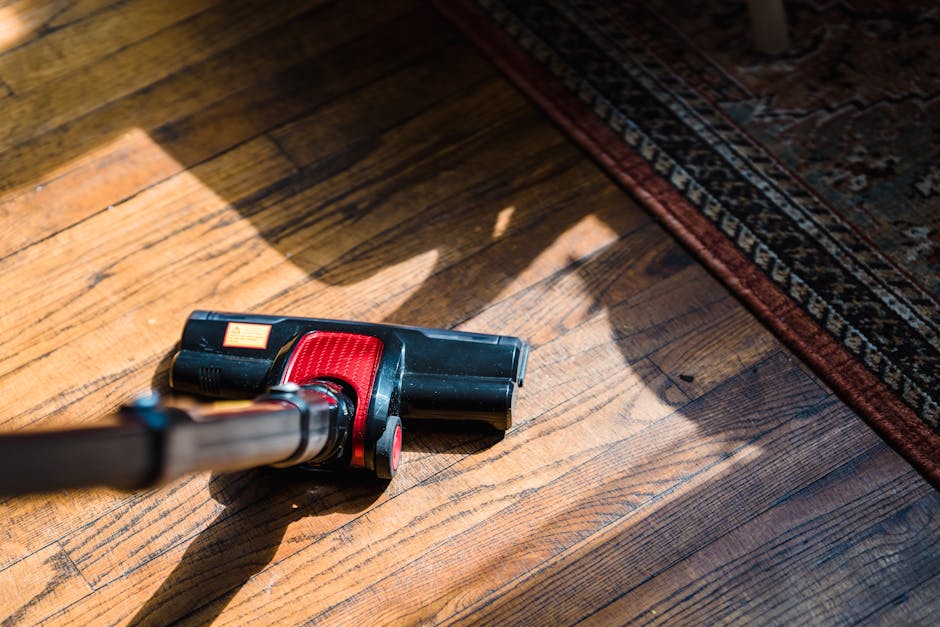
That matters because rugs are not just decorative. They trap dust, soil, crumbs, pollen, pet hair, and fine particles that can settle deep into the fibres. If left too long, dirt acts like sandpaper and slowly wears the pile. The rug still looks fine from a distance, but up close it can start to feel flat, dull, or oddly stiff underfoot.
In NW3 properties, where a lot of interiors combine older materials with modern living, the wrong cleaning approach can cause more trouble than the stain itself. Over-wetting, harsh chemicals, or too much scrubbing can lead to colour bleed, shrinkage, backing damage, or a patchy finish that is difficult to reverse. Better to go gently and methodically. That sounds obvious, but you'd be surprised how often people go in hard with the nearest spray bottle and hope for the best.
Key point: rug cleaning is not just about appearance. It protects fibre structure, improves indoor freshness, and helps a good rug last far longer.
If you are thinking more broadly about keeping your home in shape, you may also find our deep cleaning service in Belsize Park useful alongside routine rug care, especially during seasonal refreshes.
How rug cleaning guide for Belsize Park Gardens homes NW3 Works
Good rug cleaning follows a simple principle: identify the material, remove dry soil first, treat stains carefully, then clean with the least aggressive method that still works. That sounds easy enough, but the detail matters. A wool rug behaves very differently from a synthetic one. A hand-knotted rug needs more caution than a machine-made piece. A delicate silk blend is a whole other conversation, really.
Here's the basic flow professional cleaners usually follow:
- Inspection: check fibre type, construction, dyes, backing, and any pre-existing damage.
- Dry soil removal: vacuum thoroughly, often from both sides where possible, to lift loose grit and dust.
- Spot testing: test any cleaning solution on a hidden area to see if colours move or fibres react badly.
- Pre-treatment: apply a suitable solution to traffic lanes, spots, or greasy marks.
- Cleaning: use the right method for the rug, such as controlled low-moisture cleaning, hand washing, or extraction where appropriate.
- Rinsing and moisture control: remove residues so the rug does not dry sticky or attract more dirt.
- Drying: dry flat, evenly, and with good airflow to prevent odours or distortion.
- Final grooming: reset the pile so the fibres dry looking natural rather than crushed.
One thing people often miss: a rug can look clean while still holding an unpleasant smell or gritty residue deep in the pile. That's why a surface wipe rarely solves the whole issue. You need the right method for the job, and sometimes a second look after drying.
If your rug sits alongside upholstered furniture or velvet accents, it may be worth reading our guide on safe care for luxury fabrics; the same careful mindset helps prevent damage across soft furnishings.
Key Benefits and Practical Advantages
Well-done rug cleaning gives you more than a fresh-looking floor covering. You will notice the room feels lighter, the fibres spring back a bit, and the whole space becomes more comfortable to live in. Small difference, big effect.
- Longer rug life: regular soil removal reduces fibre wear and premature flattening.
- Better indoor freshness: clean rugs hold fewer stale odours and less trapped dust.
- Improved appearance: colours tend to look richer once embedded grime is removed.
- Safer surfaces: less grit underfoot means less slipperiness and less abrasion on hard floors.
- Better for pets and children: a cleaner rug is simply more pleasant for everyday family life.
- Protection for investment pieces: antique, handwoven, or designer rugs often need careful upkeep to preserve value.
There is also a practical financial angle. Replacing a rug is often much more expensive than maintaining it sensibly. That's especially true if the rug is a large wool piece or something you picked up because it "looked perfect in the room" and then, a year later, it has become part of the furniture in every sense.
Expert summary: the best rug cleaning is not the most aggressive cleaning. It is the cleaning that removes soil, preserves fibre condition, and leaves no residue behind.
Who This Is For and When It Makes Sense
This guide is useful if you own a rug, live with a rug, or are currently wondering why your rug seems to look tired even after you vacuum it. That covers a lot of people, to be fair.
It makes particular sense for:
- homeowners in Belsize Park Gardens with busy family spaces
- tenants preparing for inspections or move-out cleaning
- landlords wanting a property to present well between lets
- pet owners dealing with odours, fur, or accidental marks
- anyone with wool, oriental, hand-knotted, or decorative area rugs
- people who vacuum regularly but still notice dullness, staining, or smell
- homes where dust, pollen, or street debris build up quickly near entrances
It also makes sense if your rug has a memory attached to it. Maybe it was a wedding gift. Maybe you bought it on a trip and lugged it home with ridiculous optimism. Maybe it has lived in the same room for ten years and somehow still feels too nice to throw away. Those rugs deserve a better plan than "I'll just attack the stain later."
If your home care needs go beyond the rug, you might also look at house cleaning in Belsize Park or domestic cleaning support for a broader reset.
Step-by-Step Guidance
Here is a sensible rug cleaning routine you can use at home before deciding whether to bring in a specialist. Keep it calm and steady. No heroics.
1. Identify the rug type
Check the label if there is one. If not, look at the feel, pile, backing, and fringe. Wool, cotton, jute, synthetic fibres, silk blends, and viscose all respond differently. If you are not sure what it is, treat it as delicate until proven otherwise.
2. Vacuum thoroughly
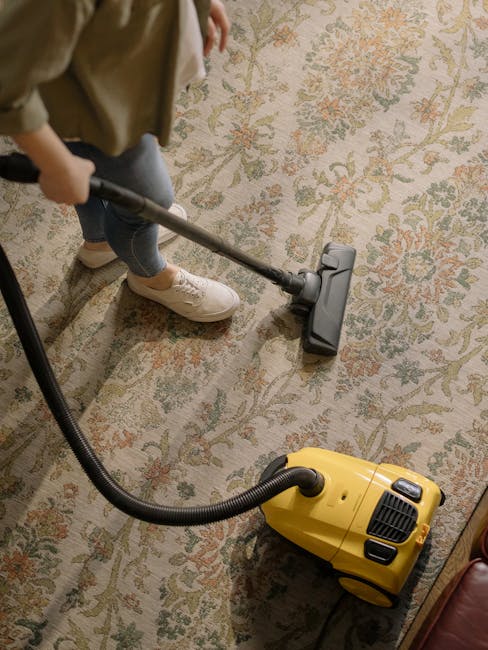
Vacuum both sides if possible, especially on medium-pile or woven rugs. Use a suction-only head if the fibres are fragile. The aim is to remove dry grit before any moisture touches the rug. Once dirt turns into mud, life gets less fun very quickly.
3. Deal with loose debris first
Shake out smaller rugs outdoors if they are suitable for it. For larger pieces, use a carpet beater-style approach only if the rug can take it. Don't fold a fragile rug sharply; that can crease or stress the fibres.
4. Test a hidden area
Apply a small amount of cleaner in a discreet corner. Check for colour transfer, texture change, or spotting after a few minutes. If colours run, stop. That rug needs a gentler hand, or probably professional treatment.
5. Blot stains, do not rub
Use a clean white cloth and blot from the outside of the mark inward. Rubbing tends to spread the stain and rough up the pile. For liquid spills, work fast but not frantically. Slightly damp, controlled, and patient is better than dramatic scrubbing.
6. Apply the right cleaning solution
Use a product suitable for the fibre type. Mild wool-safe solutions are often preferred for wool rugs, while synthetics may tolerate a wider range of cleaners. Avoid anything highly alkaline or bleach-based unless the rug manufacturer explicitly says otherwise.
7. Remove residues
Even a good cleaner can leave residue if you use too much. Over time, residue can attract dirt. A light rinse or careful extraction step helps avoid that sticky, re-soiling problem people complain about later.
8. Dry properly
Dry the rug flat if possible, away from strong direct heat. Open windows where appropriate, use airflow, and flip the rug only when the surface is not vulnerable. Uneven drying can lead to rippling, odour, or uneven colour appearance.
9. Groom and reset the pile
When dry, brush lightly in the direction of the fibres or use a pile lift method suitable for the rug. This helps the rug look more even and less flattened by the cleaning process.
One small but important note: if the rug is valuable, sentimental, antique, or badly soiled, it may be wiser to stop after the inspection stage and let a specialist assess it. There's no prize for being brave with a delicate rug.
Expert Tips for Better Results
These are the bits that tend to make the difference between "clean enough" and genuinely well cared for.
- Vacuum often, clean less often: regular dry vacuuming reduces the need for aggressive wet cleaning.
- Rotate the rug: turn it every few months so wear and sunlight exposure stay more even.
- Use a rug pad: it reduces slipping, eases pressure on the backing, and can improve airflow.
- Protect entry-point rugs: runners and door rugs need faster attention because they collect fine grit so quickly.
- Act quickly on spills: the first 10 minutes matter more than most people think.
- Dry with patience: rushing the drying stage is how many odour and distortion problems begin.
- Think in seasons: heavier cleaning after winter or before summer can make sense in busy homes.
A practical tip from everyday experience: keep a plain white cloth, a small spray bottle of water, and a rug-safe cleaner in a cupboard. You won't use them every week, but when a spill happens you'll be glad they're there. Not glamorous, but useful. Very useful.
If your home is getting a bigger refresh, our spring cleaning in Belsize Park page may fit neatly with a rug deep clean. For one-off refreshes, the one-off cleaning option can also make sense.
Common Mistakes to Avoid
Most rug damage is accidental. People rarely mean to ruin a rug, but a few common habits cause avoidable trouble.
- Scrubbing hard: this can distort fibres and spread stains deeper into the pile.
- Using too much water: oversaturation may damage backing, adhesives, or natural fibres.
- Skipping the test patch: a hidden reaction can turn a small job into a big problem.
- Using the wrong product: all-purpose cleaners are not always suitable for rugs.
- Ignoring fringe care: fringes need gentle handling and often get damaged first.
- Drying too quickly with heat: a radiator, heater, or strong direct sun can create issues.
- Leaving stain removal too long: set-in marks become much harder to treat.
One of the more common mistakes is assuming a rug is "just a rug." Well, not quite. A machine-made polypropylene piece from a family room and a handwoven wool rug in a formal sitting room do not want the same treatment. They really don't.
Tools, Resources and Recommendations
You do not need a huge kit to look after a rug properly. In most homes, a small, sensible set of tools is enough.
| Tool or item | What it helps with | Practical note |
|---|---|---|
| Vacuum cleaner with adjustable suction | Routine dry soil removal | Use lower suction for fragile rugs and fringe areas |
| White microfibre cloths | Blotting spills and testing solutions | Avoid coloured cloths that may transfer dye |
| Rug-safe cleaner | Targeted stain and general cleaning | Check suitability for fibre type before use |
| Soft brush | Grooming fibres after cleaning | Use gently; do not agitate delicate pile aggressively |
| Fan or open-air drying setup | Controlled drying | Good airflow helps prevent odour and uneven drying |
For homes where rugs are part of a wider cleaning routine, it can help to coordinate with services overview information so you can decide whether a specialist clean, domestic help, or a combined deep-clean approach fits best.
If you are comparing professional help, look for clear explanations of method, fibre care, drying time, and what happens if a stain does not fully lift. Good providers should talk in plain English, not hide behind vague promises. That alone tells you quite a lot.
Law, Compliance, Standards, or Best Practice
Rug cleaning in a private home is not heavily regulated in the way some other services are, but there are still sensible UK best-practice considerations worth noting. Care and transparency matter. Any professional cleaner working in your home should use products and methods responsibly, and should be able to explain what they are doing, especially when working around delicate materials or pets.
From a homeowner's perspective, the main practical points are straightforward:
- Follow manufacturer guidance where available: labels and care notes should come first.
- Use suitable chemicals responsibly: avoid unsuitable bleach or harsh solvents on unknown fibres.
- Mind health and safety: keep floors safe while drying and make sure children or pets do not slip or lie on damp rugs.
- Check insurance and accountability: if you are hiring a cleaner, understand what the service covers and what happens if something goes wrong.
- Be honest about fibre type and condition: hidden damage, loose dye, or weak backing should be factored into the plan.
If you are working with a professional service, it is also reasonable to ask about their cleaning process, safety approach, and complaint procedure. Those are not awkward questions; they are sensible ones. A trustworthy company should be comfortable answering them.
For additional reassurance, you can review our insurance and safety information and our health and safety policy. If privacy or service terms matter to you, those details are available too via the site's policy pages.
Options, Methods, or Comparison Table
Different rugs need different approaches. Here is a simple comparison to help you decide what is likely to suit your home.
| Method | Best for | Pros | Watch-outs |
|---|---|---|---|
| Regular vacuuming | All rugs | Prevents soil build-up, easy to maintain | Won't remove deep stains or odours |
| Spot cleaning | Fresh spills and small marks | Fast, cheap, targeted | Can spread stains if overused or scrubbed |
| Low-moisture cleaning | Many synthetic and some wool rugs | Quicker drying, less saturation | Not ideal for every fibre or heavy soiling |
| Hand washing | Delicate, artisanal, or value rugs | Careful and controlled | Time-consuming; needs expertise |
| Professional deep clean | Heavily soiled, valuable, or tricky rugs | Better inspection, specialist method, safer overall | Costs more than DIY, but usually less risky |
If you are unsure, the safest route is often to stop short of a full wet clean and get expert advice. That sounds cautious because it is cautious. But rugs tend to reward caution.
Case Study or Real-World Example
A typical Belsize Park Gardens scenario goes like this: a family has a large wool rug in the living room. It sits under a coffee table, gets vacuumed now and then, and gradually starts to look greyish in the traffic lane. There is also a faint smell that only seems obvious on damp days, which is very London, honestly.
They first try a store-bought spray on one patch. The stain lightens, but the area dries slightly flatter than the rest, and the mark still looks different in daylight. That is the point where a more careful approach makes sense. After inspection, the rug is vacuumed thoroughly, spot-treated in sections, and cleaned using a controlled method suited to wool. Drying is slow and even. Once complete, the rug looks brighter, the pile feels softer, and the room has that subtle "why does this feel better?" effect that only a properly cared-for rug can give.
The lesson is simple: the earlier you treat soil and staining, the easier the job becomes. Wait too long and you are no longer cleaning a spill; you are correcting a pattern of wear. Big difference.
Practical Checklist
Use this quick checklist before cleaning your rug at home or arranging professional help.
- Identify the rug fibre: wool, synthetic, silk blend, cotton, jute, or something delicate.
- Check for labels or care notes: follow any manufacturer guidance available.
- Vacuum thoroughly first: remove dry grit before moisture is introduced.
- Test a hidden area: especially before applying any cleaner.
- Blot, don't rub: handle stains gently.
- Use the least aggressive method: enough to clean, not enough to damage.
- Dry evenly: keep airflow steady and avoid direct heat.
- Inspect after drying: check for odour, residue, colour change, or edge curling.
- Call a specialist if needed: particularly for antique, fragile, or badly soiled rugs.
Quick reassurance: if you feel uncertain halfway through, that is usually a sign to pause, not push on. Rugs are forgiving up to a point, then they are not.
Conclusion
A sensible rug cleaning routine is one of those home-care habits that quietly pays you back. Your room feels better, your rug lasts longer, and you avoid the expense and stress of replacing something that could have been saved. For Belsize Park Gardens homes NW3, where interiors often combine elegance with everyday family use, that balance matters. Clean gently, dry properly, and choose methods that suit the fibre rather than the stain in front of you.
If your rug needs more than routine maintenance, it may be time to bring in help that understands delicate fibres, safe cleaning methods, and the realities of a lived-in London home. And if you are planning a broader refresh, there are useful supporting services across the site, including carpet cleaning in Belsize Park, upholstery cleaning, and one-off cleaning.
Get a free quote today and see how much you can save.
Sometimes the smallest care decisions make the biggest difference, and a well-kept rug has a way of making a home feel properly loved.